
America’s 250th in the Appalachian Forest
Americas250th in the Appalachian Forest is a series of events, exhibits, and projects, commemorating the semi-quincentennial of the founding of America through sharing the stories of the people, communities, and places that have shaped our region. AFNHA will be featuring America250 stories through the summer of 2026. We invite you to submit your stories of the people, places, and things that make the AFNHA region so special!
You Can Help!
How has your community contributed to the growth of our area and our country over the last 250 years? Appalachian Forest Discovery Center is developing an exhibit for the summer and fall of 2026 sharing how 250 years of America impacted and grew our forest communities. Help grow the America’s 250th exhibit with stories from your county, including supporting images, artifacts, or memorabilia, that showcase our region’s birth and development. Please share your stories for one of our new exhibit initiatives:
Founders of the Forest – Share stories of individuals, families, or groups of people who contributed to the growth of your community and our region. Think about laborers, homemakers, business people, artisans, civic leaders, and unsung heroes along with groups of earliest settlers, immigrants, and under-represented folk who all contribute to our region’s story. For more suggestions and how to submit click HERE
Cornerstones of Community – What are the places, buildings, gathering spots that bring people together and build your community? This may be a church or community center, factory or general store, courthouse or public square. For more suggestions and how to submit click HERE
Email a250@afnha.org to find out more or submit your suggestions.
View our America’s 250th Blog Series contributed by stakeholders like you!
Learn more about the series and become a contributor to the telling of our rich history below
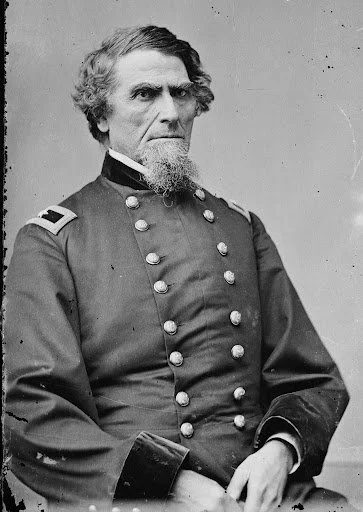

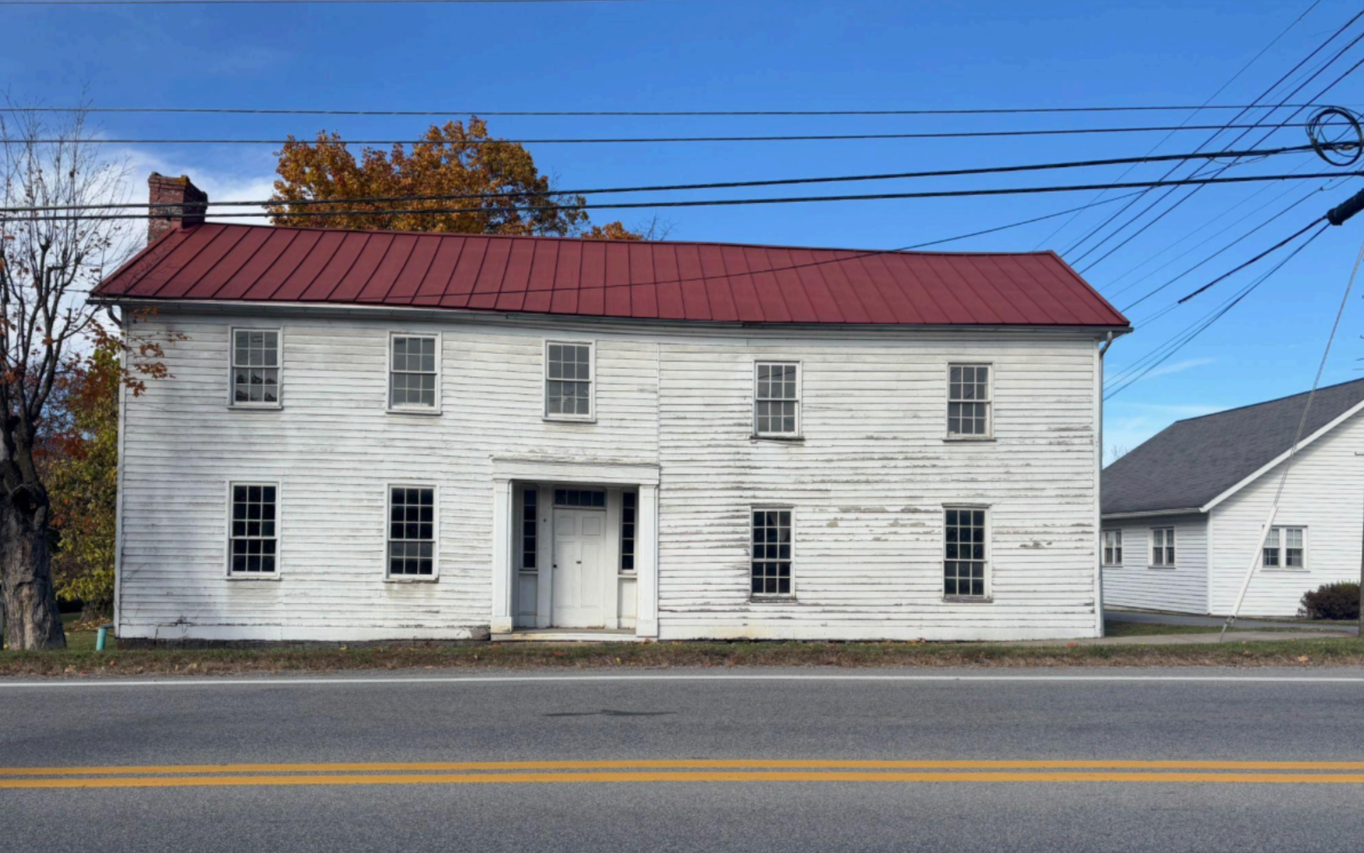


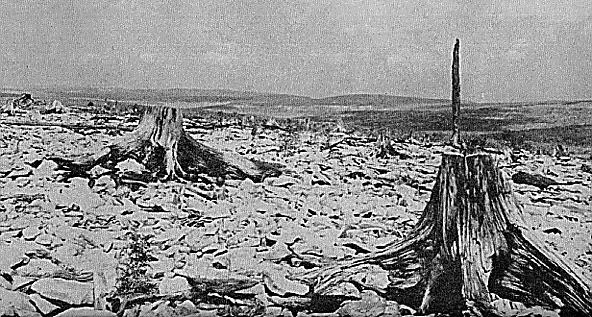


America’s 250’th in the Appalachian Forest blog:
Please submit stories to our online blog, and for possible use in our 2026 exhibit at the AF Discovery Center to celebrate the semi-quincentennial. Stories should fit one of the following scopes:
Power of Place: Engagement with places, land, and communities shape how we live, who we are, and what we consider significant to care for and preserve.
We the People: Inclusion of all people, especially diverse people that have often been excluded (including women, free and enslaved African Americans, Indigenous people, immigrants, people with disabilities, the poor, and many others), is essential for full participation and representation in the nation’s political, economic, and cultural life.
Democracy and Justice: From the Declaration of Independence, through progress and setbacks in the fights for rights and justice, our society evolves in understanding and expressions of equity, democracy, and civic engagement.
Stories should also be connected to AFNHA themes:
Forest Abundance: Ancient mountains of the Appalachian Forest feature abundant mixed hardwood and red spruce forests, where mountain microclimates and northern and southern species converge to create some of the most biodiverse forest ecosystems in North America.
Crucible of Isolation: People from many cultures came together in the Appalachian Forest, where geographic isolation and the rough mountain terrain fostered a distinctive Appalachian culture of self-reliance and connection to the land, expressed through folkways and living traditions that enrich America today.
Logging Boom Builds the Nation: On the cusp of the 20th century, the expansion of railroads opened widespread harvest of the Appalachian Forest in a logging boom that helped fuel industrial expansion for the Eastern United States, but devastated the landscape and altered mountain economies.
Resilient Forest: Recovery of the landscape from the logging boom shows the resilience of the Appalachian Forest, with scientific management today conserving forestlands for multiple purposes including ecological stewardship, recreation and tourism, and sustainable harvest of forest products.
Standards of interpretation -- Interpretation should be engaging, accessible, and encourage reflection. Stories presented by AFNHA should meet quality and fairness standards -- expressing facts as best we know them, engage with voices of people to tell their own stories from their point of view whenever possible, being transparent about sources of information and how we tell history, and encouraging consideration of multiple viewpoints.
How to Participate - Partners are encouraged to participate to the Blog series through:
Submission of stories related to these themes for posting on the AFNHA America250 blog. Stories can be submitted using the form linked above, or sent to stories@afnha.org. Blog posts will include a cover photo, a summary of the story, and a longer narrative or links to more information when appropriate. Contact our Discovery Programs Manager with any questions or ideas.
Send your story starting with a title and approximately 100 to 200 word summary. This will serve as the basis for our blog post.
Include author’s name, organization, location, and sources for the story (where did you get this info? Does not need detailed footnotes, but give credit where due).
If you have additional text telling more about your story it may be included as a longer form piece – up to about 3 pages or 1,600 words.
One primary image / photo, if you have one, with caption and credit. Can include more than one but let us know which you consider primary. We will need at least one image to serve as the cover photo for the blog.
Virtual links, or information with directions, to additional project or opportunity to learn more about this topic. This can be to a website, audio or video link, exhibit, etc.
If you have an idea for a story, tell us who we can contact to learn more or where we can find more information on the topic.
Developing projects to tell your America’s 250’th story.
This can be a variety of project formats, such as but not limited to:
Oral history collection, shared through media or written products
Digital products, including story maps, Clio stories, etc. connecting with the themes
Audio or video programs or tours
Signage projects, interpretive signs.
Exhibits – usually at a specific venue or museum related to the story
Travelling exhibits that can be shared around the region.
Live programs, talks, performances, or living history. Can be recorded or livestreamed when feasible and appropriate
Participation projects that result in shared stories or expressions, especially to involve under-represented people and voices.
Youth projects to engage young people in learning, understanding, and telling stories
Preservation / conservation projects that include a storytelling aspect to share with the public
Any of these projects can (and should) be included in the America250 blog to introduce and promote the project.
Many of these projects may be eligible for AFNHA sub-grants
Submissions will be accepted based on relevance to our Themes, adherence to our Standards of Interpretation, and staff availability. Submissions may be edited for length or stylistic consistency, or reviewed for accuracy. Published stories may be used by both AFNHA and the submitter for promotion and education purposes.
