
By Jeremiah Szot
Serving With Friends of Blackwater
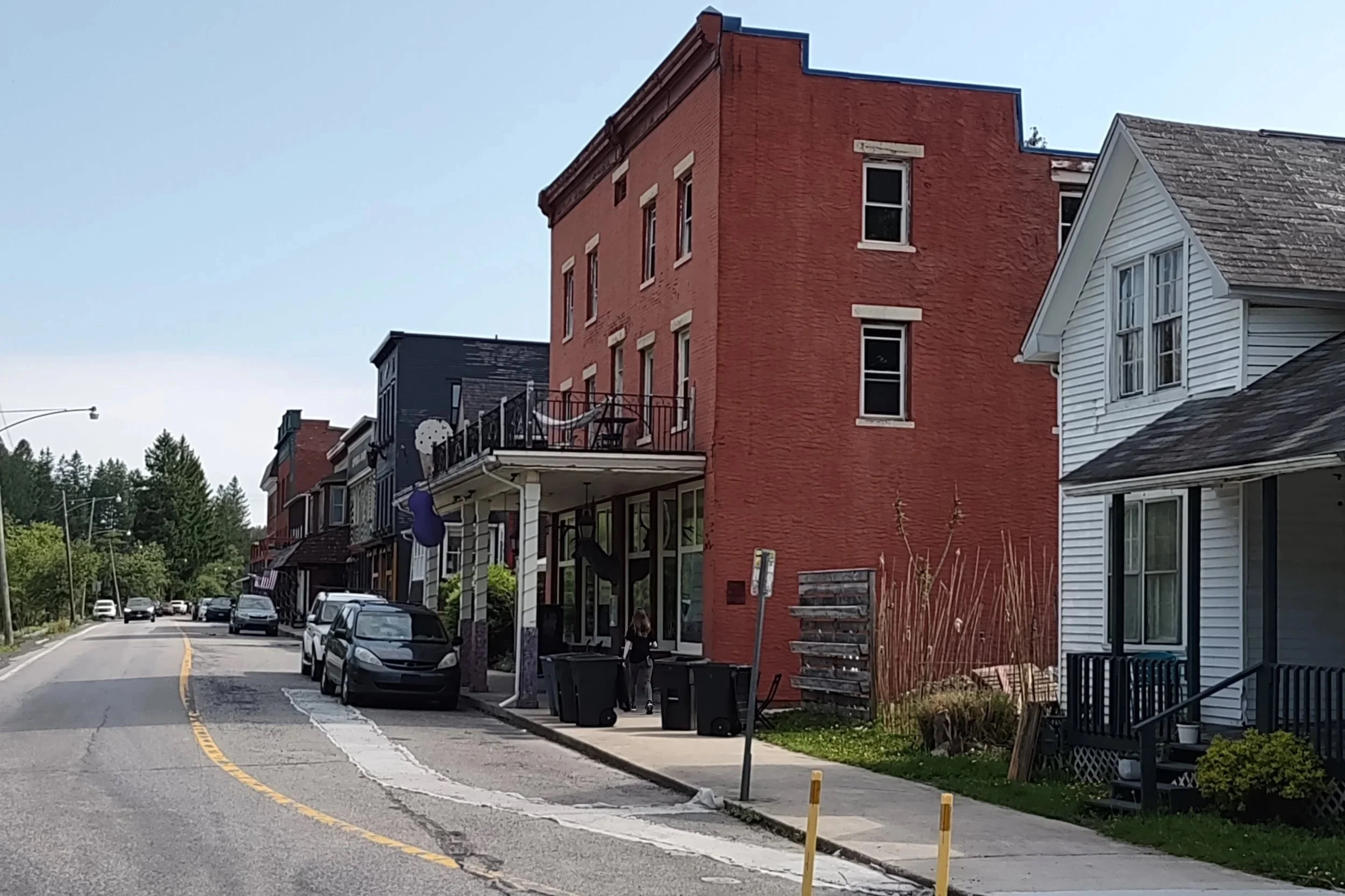
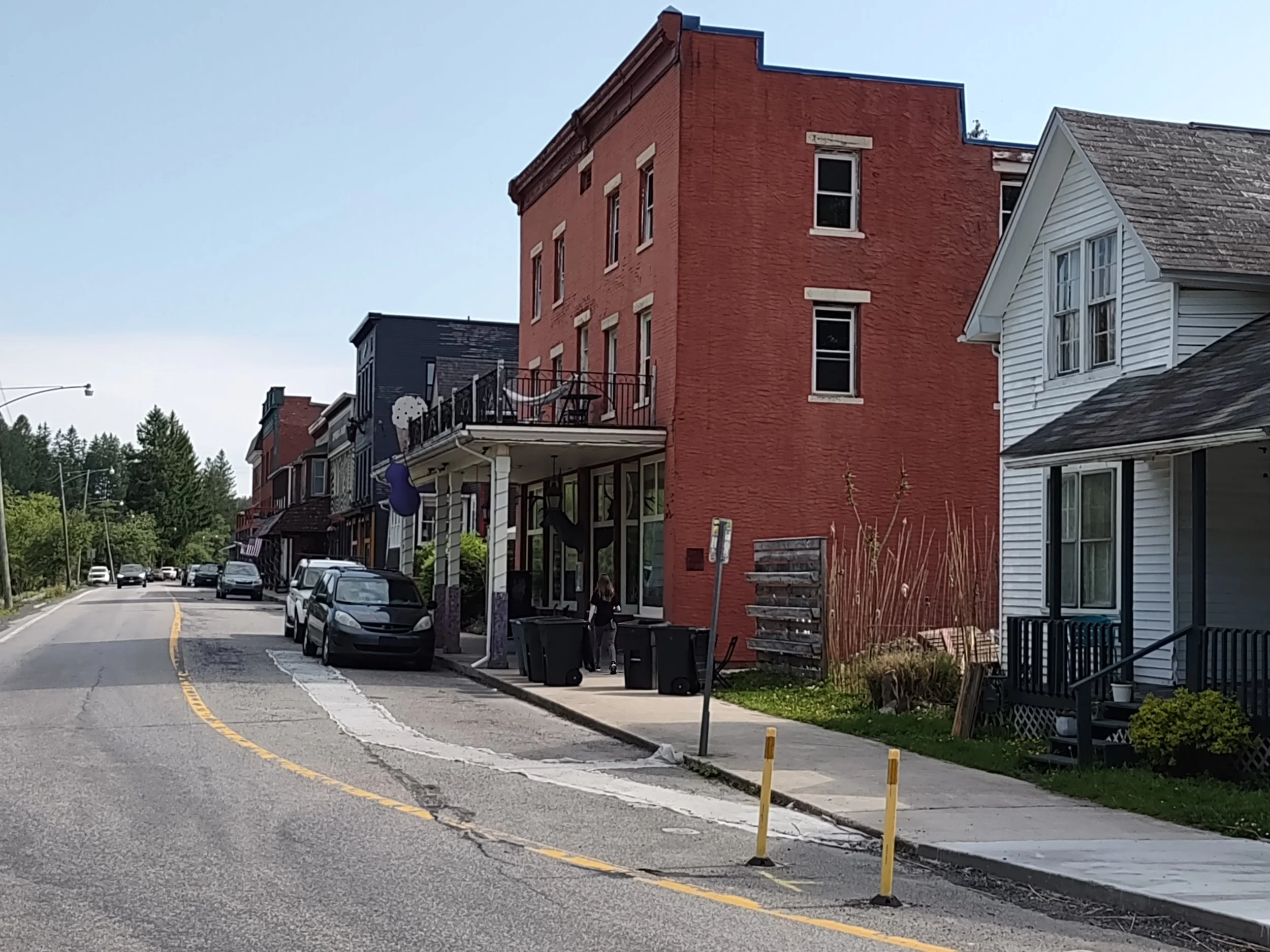
If you walk the streets of Thomas, West Virginia, it feels like a quiet mountain town with a rich
past. Old buildings line the streets, the railroad cuts through the valley, and the surrounding hills
tell the story of its coal heritage. But what most people don’t realize is that the real story of
Thomas isn’t just what you see—it’s what lies beneath your feet.
Thomas was founded in 1883 by brothers Thomas Beall Davis and Henry Gassaway Davis. The
two built their fortune on coal, establishing the Davis Coal and Coke Company and turning the
area into a booming mining town. Within just a few years, rail lines were laid, mines were
opened, and workers poured in looking for opportunity. By the early 1900s, Thomas was
thriving. At its peak around 1915, the town was producing nearly one million tons of coal. More
than 1,600 miners lived and worked in the area, supporting a rapidly growing community. Above
ground, Thomas was alive with industry, families, and daily life. But below ground, something
even bigger was taking shape.
The Mine Under Thomas
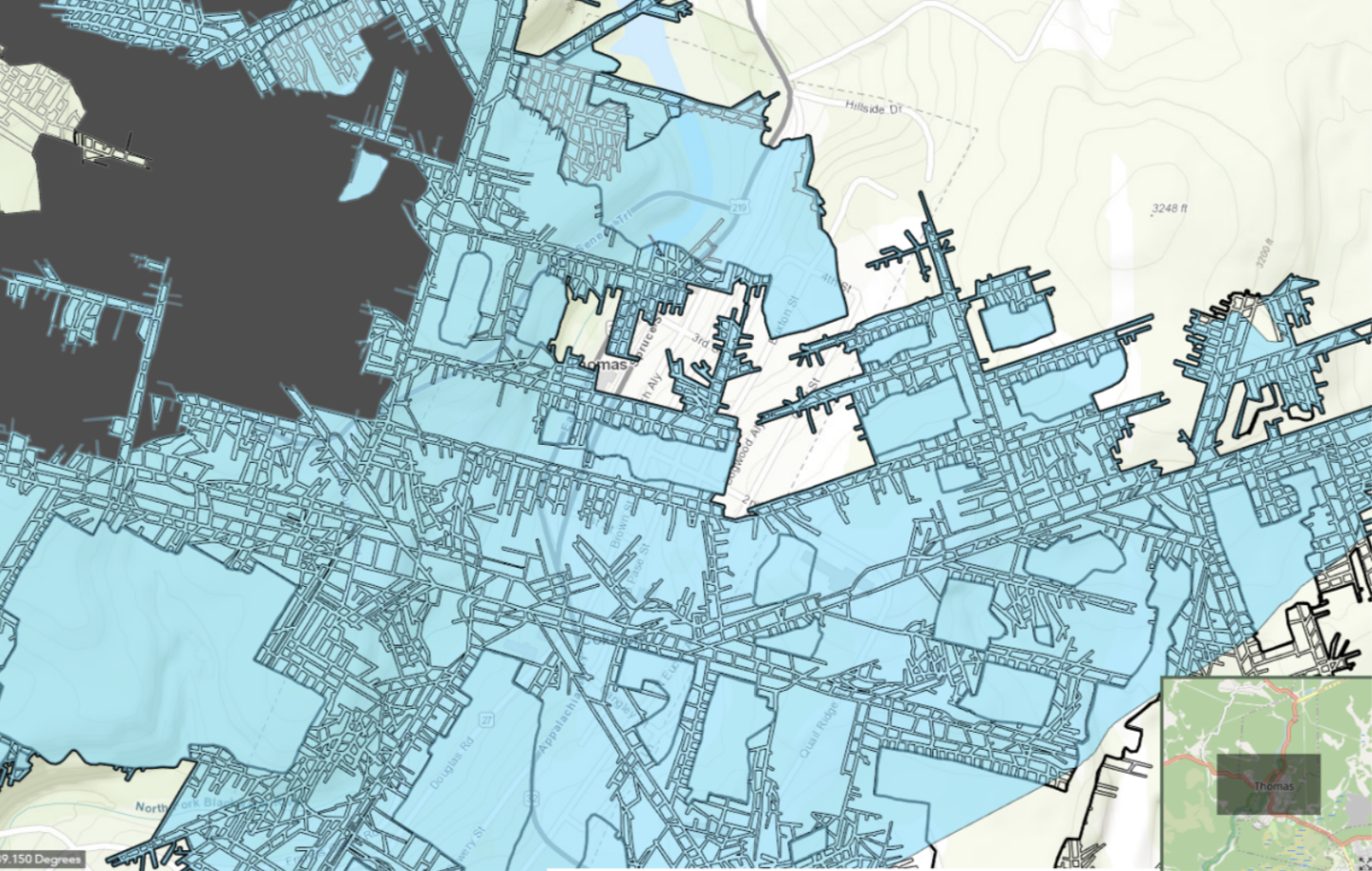
Beneath the town, a vast network of coal mines spread out in all directions—a spiderweb of
tunnels carved deep into the earth. In total, there were around 74 mines operating in and around
Thomas, with miles of passageways running beneath the streets, buildings, and nearby land.
Even today, it’s estimated that nearly a hundred miles of these tunnels still exist underground.
Some of these entrances can still be found if you know where to look. Along the railroad trail
that winds through town, there are remnants of old mine portals. One of them, known as Portal
29, still marks where miners once entered the underground world. Over time, many of these
entrances have collapsed, been buried, or sealed off, slowly disappearing from view.
The underground doesn’t stop at Thomas. Nearby Davis, West Virginia also sits above old mine
workings. There are even stories of homes where the ground beneath gave way—cellars
reportedly collapsing into abandoned tunnels below. Whether every story is true or not, they
reflect a very real fact: much of this region is hollowed out beneath the surface. By 1956, the
mines were shut down and abandoned. Left behind were empty tunnels that eventually filled
with stagnant, acidic water. Today, that water still seeps out in places, affecting nearby streams
and the Blackwater area, a lingering reminder of the town’s industrial past.
Thomas today is known for its charm, outdoor recreation, and access to trails and winter
activities. Visitors come for the mountains, the scenery, and the history they can see. But hidden
below it all is a forgotten world—dark, quiet, and stretching for miles. So the next time you walk
through Thomas, take a moment to think about what lies beneath. Because under every step,
there’s a piece of history most people never see.
