
By London Patterson
Serving with the Beverly Heritage Center
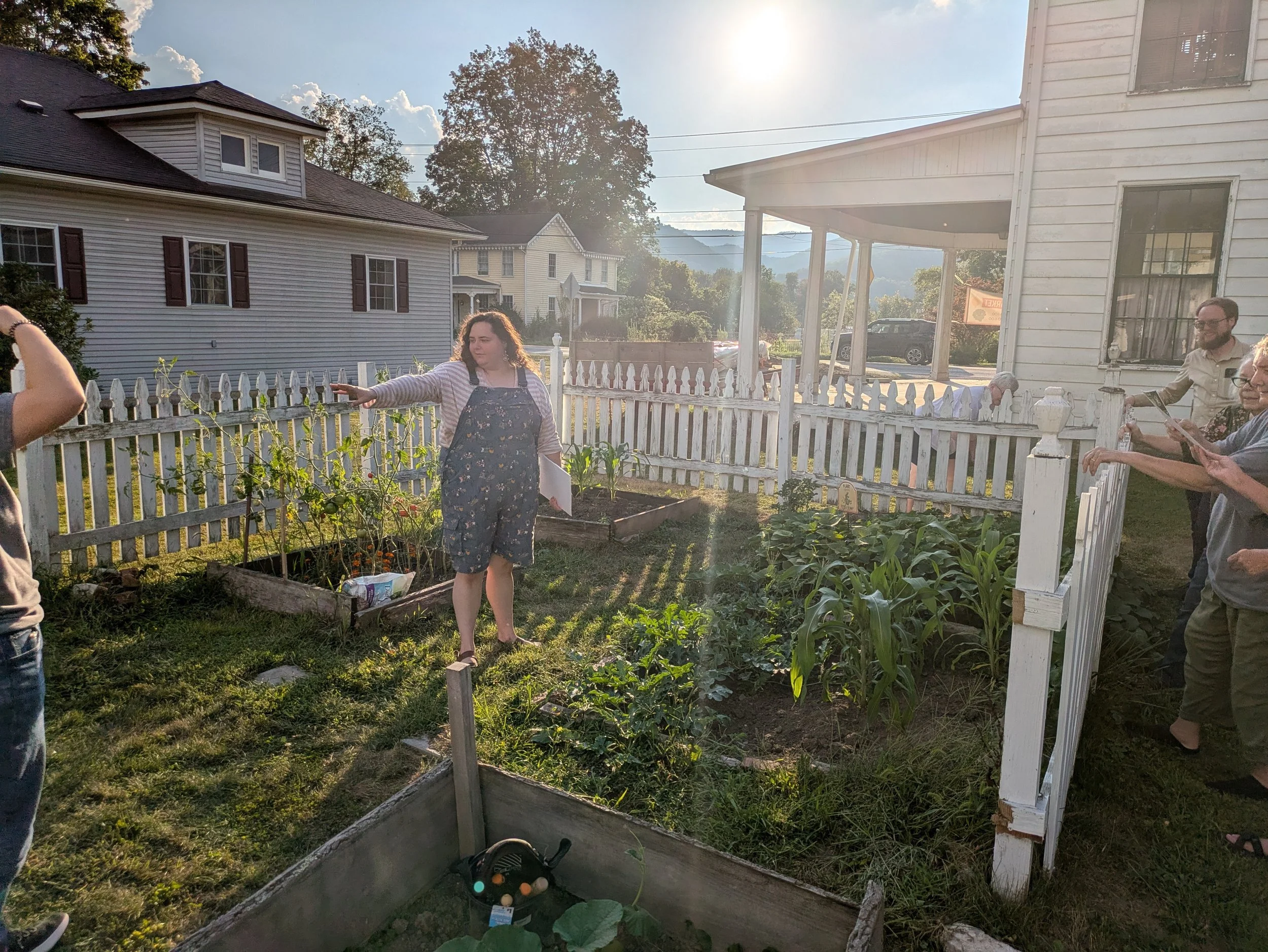
Though it wasn’t my major project, a lot of my summer at the Beverly Heritage Center was spent helping my friend and fellow AmeriCorps member Josina (Josie) Shaver with her major project, the Historical Interpretive Garden. This garden was located in the yard behind the Goff House, a building that served as a Union hospital after the battle of Rich Mountain in 1861, and, until recently, was home to Beverly Books & Antiques.
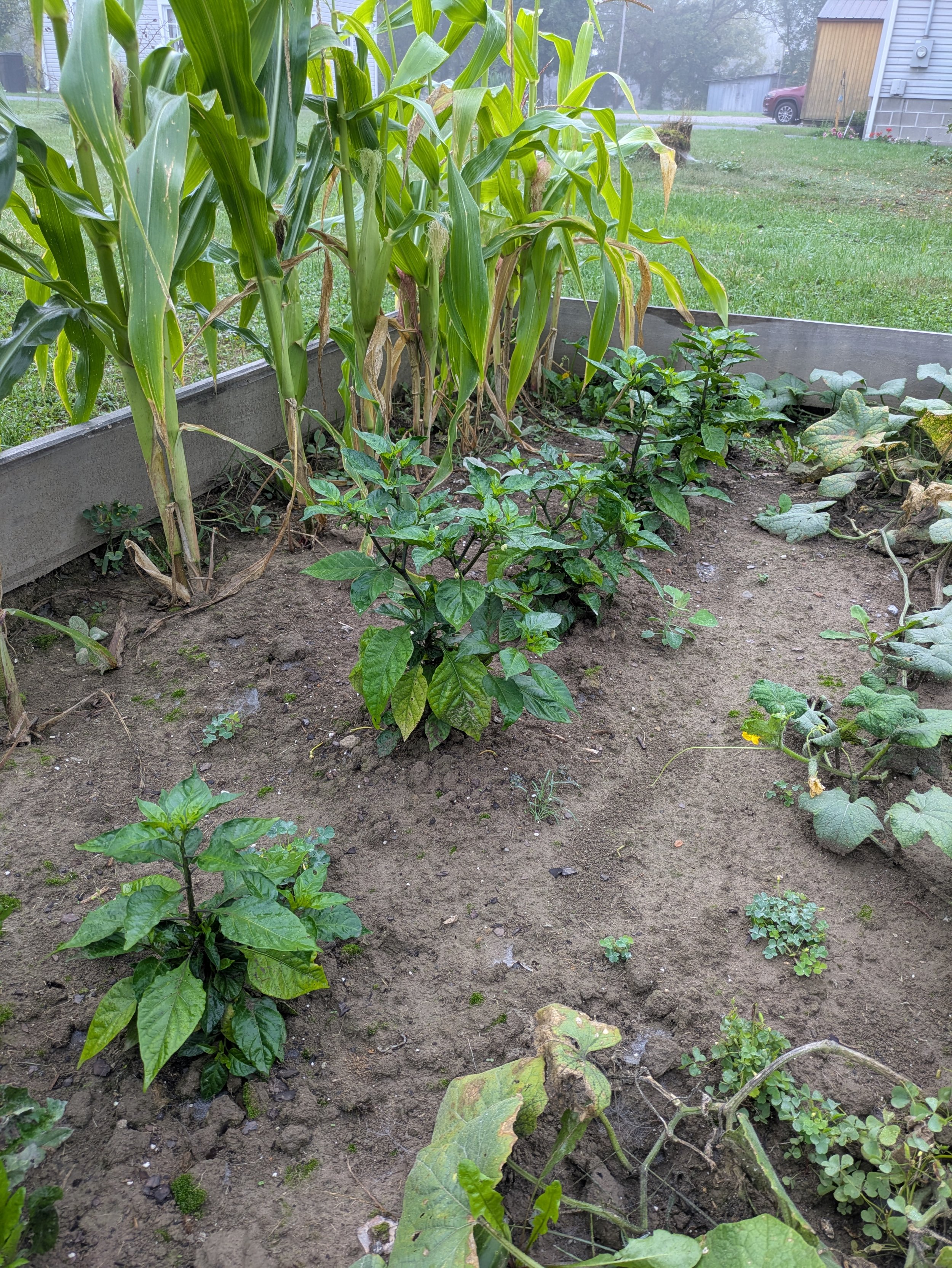
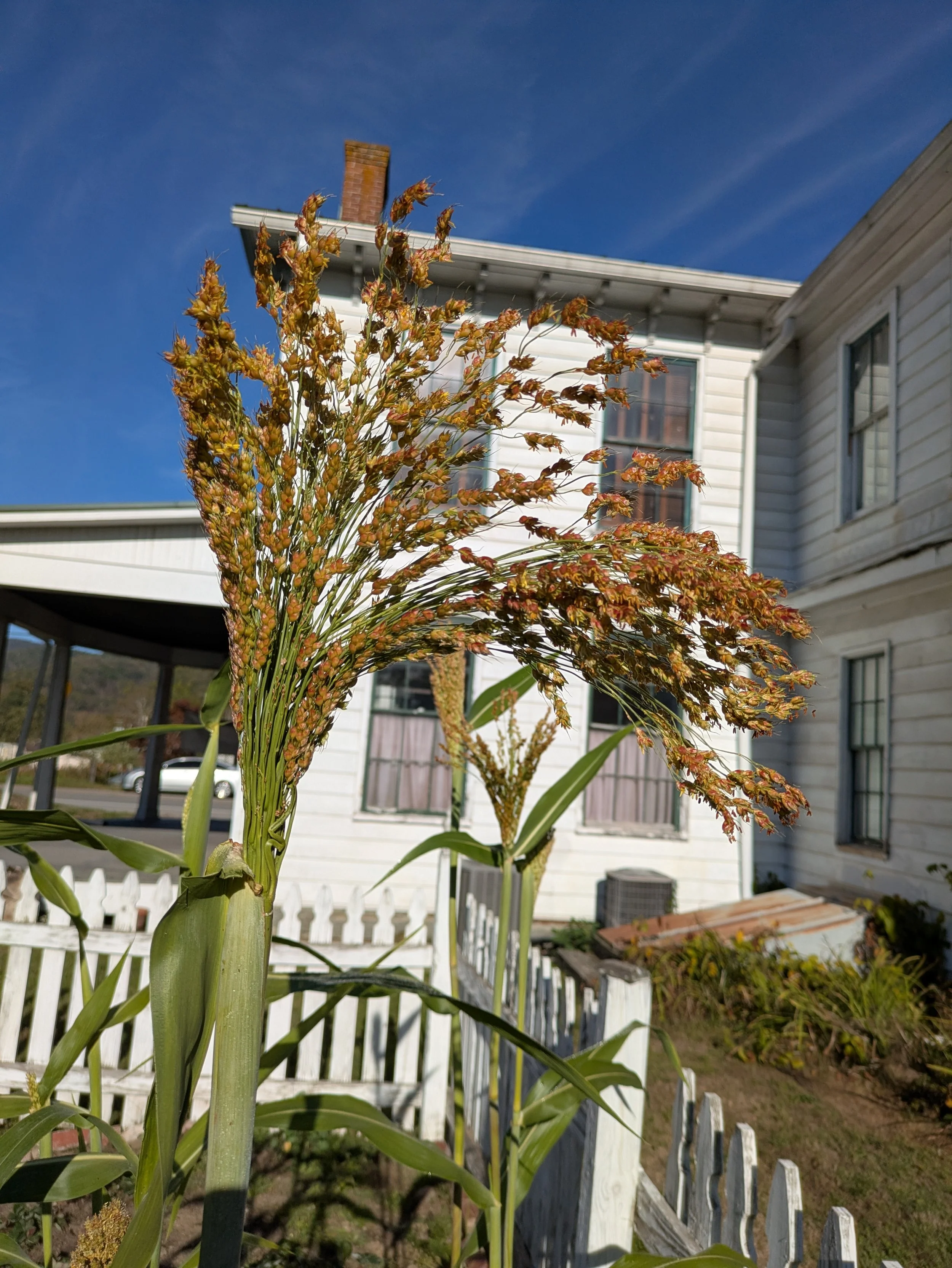
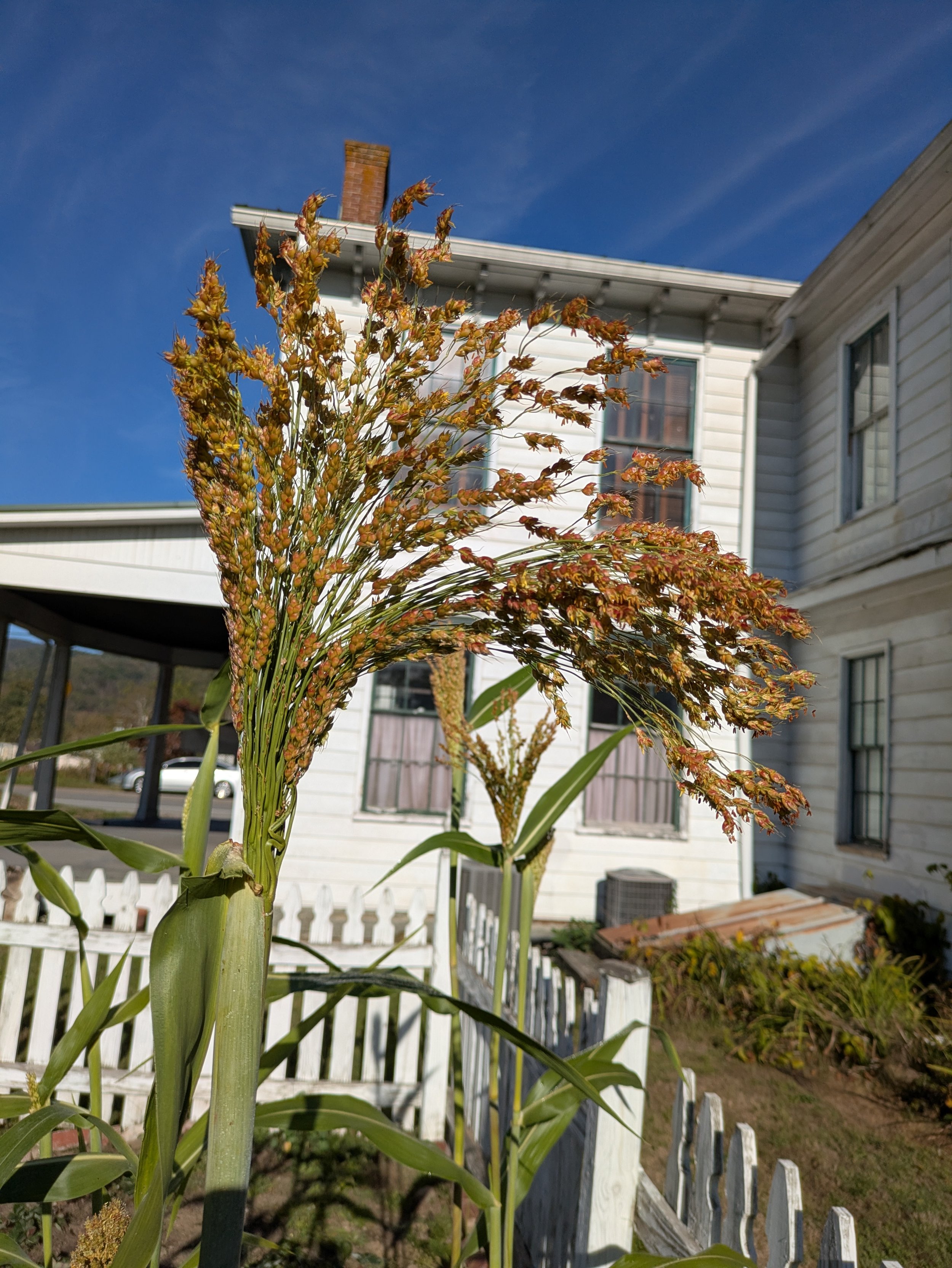
As this was an interpretive garden, Josie chose a selection of plants that had historical and/or cultural ties to Randolph County and the greater region of West Virginia. While we were not always able to obtain the exact varieties described in Josie’s historical research, we did manage to have a representative of almost every type of crop, including corn, squashes and gourds, strawberries, cucumbers, okra, potatoes and sweet potatoes, onions, tomatoes, watermelon, carrots, marigolds, peppers, flax, and broom corn.
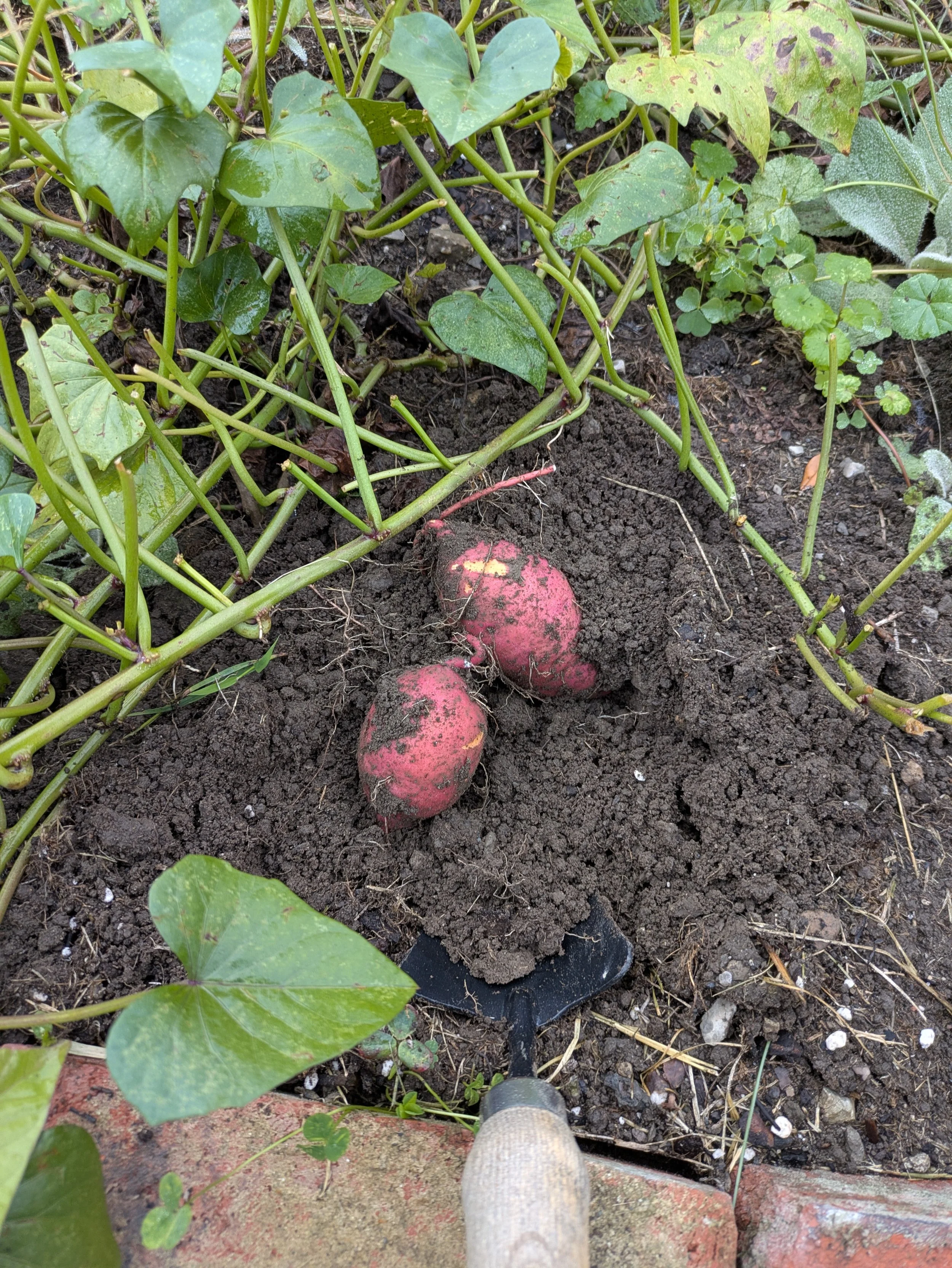
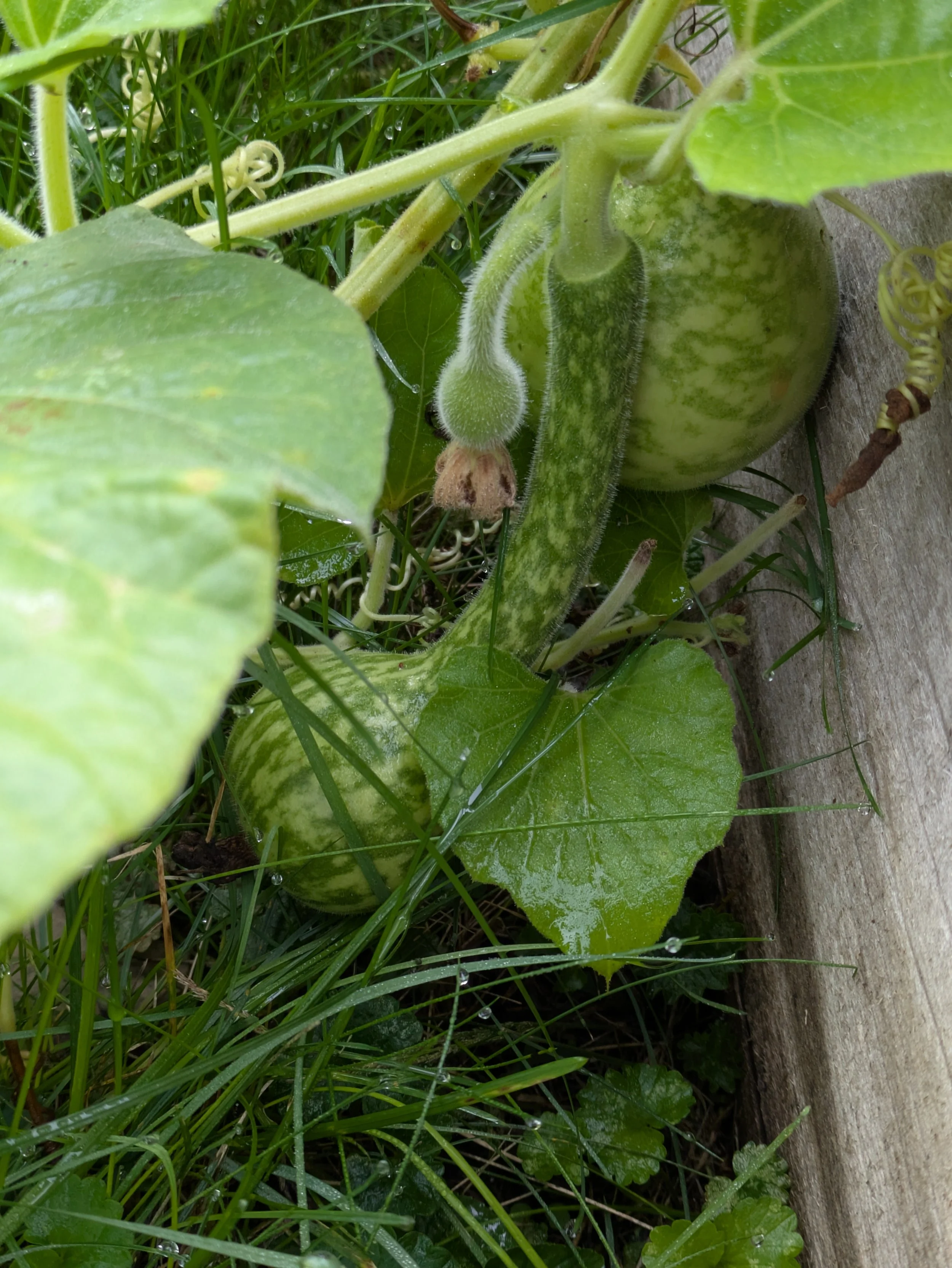
Josie did the vast majority of the research, planning, and work on the garden until the end of her service. I did my best to contribute to the physical work of managing the garden, as well as illustrations for the signage. Since Josie concluded her service, I’ve become the primary caretaker of the garden, which involved the harvesting of crops, removal of weeds, and gathering of seeds for next year’s garden.
Since this was my first time gardening in any serious capacity, there was a lot that I had to learn from scratch. Here are a few highlights from my gardening crash course:
How to identify wolf spiders (good mothers), rabid wolf spiders (very fast), tiger wolf spiders (giant and horrible), ground crab spiders (kinda cute), zebra jumping spiders (little guys), tan wall jumpers (spiders) (terrible), and great golden digger wasps (wonderful creatures).
Mint is aggressively persistent and cannot be evicted by civil means.
So is dill, but it’s a bit more polite in its refusal to be evicted from a garden bed.
Sweet potatoes are lousy roommates and will attempt to overtake every other plant they share a plot with and then some. If you have plants that don’t need much or any sunlight, maybe they’ll be able to get along with sweet potatoes.
It is possible to hold a grudge against a rabbit. And a robin.
Birdhouse gourds have some of the most stunning coils in their vines and they use them for (minor) crimes and misdemeanors.
Tomatoes love epsom salt.
If what you are trying to grow is a grassy plant (such as flax, corn, and broom corn), it can be very, very difficult to weed until they are more mature, as they may be indistinguishable from grassy plants you don’t want. If you have the option of starting them inside, that may be the way to go.
Deer love to eat the tops of plants, and especially sweet potatoes.
Despite my pervasive disagreement with intense sunlight, heat, and spiders, participating in the BHC’s interpretive garden was a positive experience overall. In fact, I’m hoping to continue gardening in my own time next spring!
